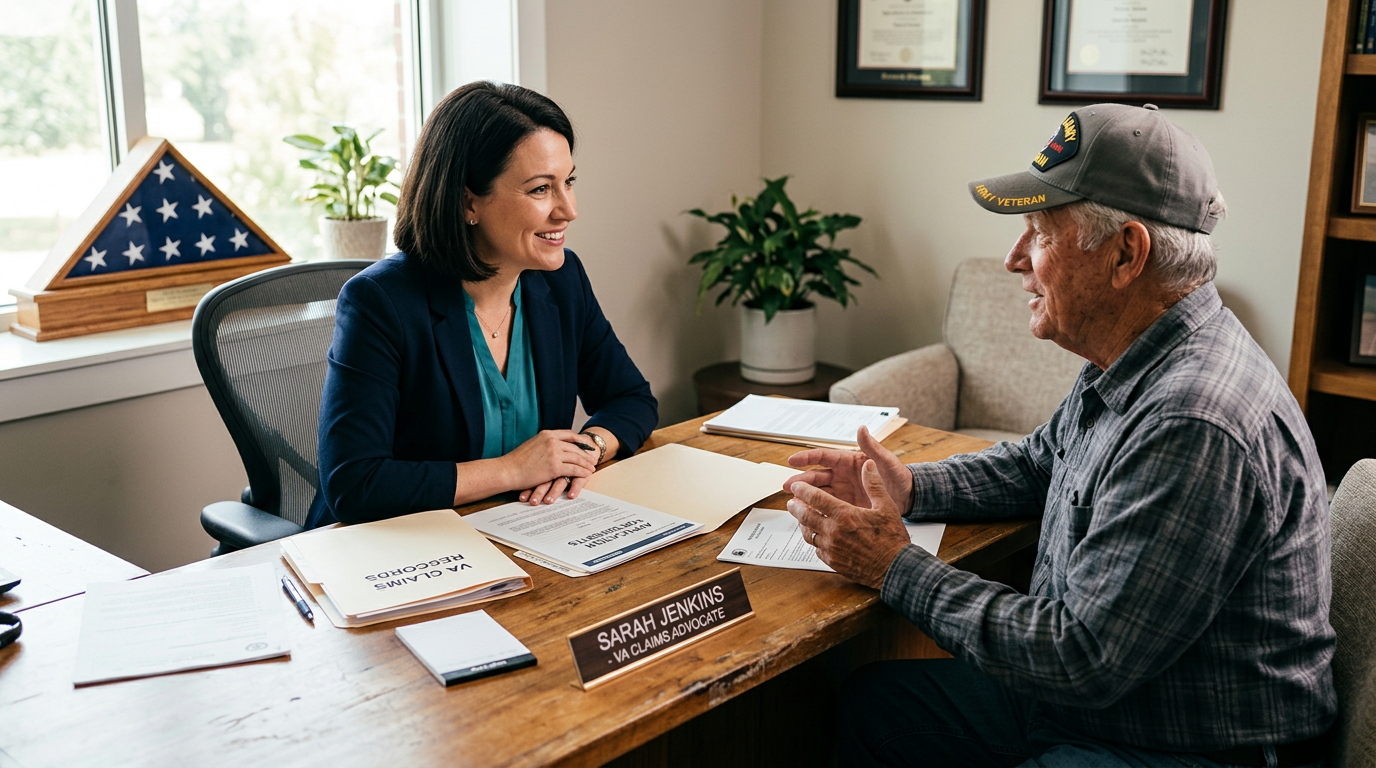
Know the facts
VA disability myths, debunked
Bad information causes real delays and denials. Here are the most common myths about VA disability claims — and the facts that replace them.
Nine common VA-claim myths — back pay, denials, employment, deadlines, Social Security, retirement offset — replaced with the facts.
Why this matters
The system changes — so should your information
The VA claim system is ever-changing, and the rules live in the 38 CFR (Code of Federal Regulations), which is updated yearly. Well-meaning veterans share what worked for them, but outdated or second-hand information causes unnecessary delays and denials. Take everything with a grain of salt, and confirm the current rules before you act.
One truth underlies all of these myths: every claim is unique. Even with the same condition and symptoms as another veteran, your in-service event, your documentation, and your medical records are your own — and your claim rests on an independent, third-party evaluation. Comparing your claim’s timeline or outcome to someone else’s rarely helps.
Fact vs. fiction
The myths, one by one
“Hiring representation automatically speeds up (or slows down) my claim.”
Speed depends on the complexity of your case, the availability of medical evidence, and the VA’s workload — not simply on having representation. What experienced representation does do is help you navigate the process, submit appeals, and present evidence effectively, which improves efficiency.
“Back pay goes all the way back to the date of my injury.”
Back pay generally originates from when you initially file for benefits (as long as the claim stays open), not the date of the injury. Timing varies for each veteran, which is why others’ back-pay stories may look different from yours.
“The VA just denies claims until the veteran dies.”
Many veterans are denied initially, but that is not the end of the road. The VA reviews all records and approves claims that meet the criteria. With proper evidence and advocacy, an initial denial can be turned into a grant.
“The VA is out to get veterans.”
VA employees — many of them veterans themselves — work to process claims and deliver the benefits veterans earned. The system has flaws and a backlog, but it is actively working to improve, not conspiring against you.
“A VA disability rating will hurt my future employment.”
A rating does not automatically disqualify you from a job; each job’s requirements are evaluated on your actual health and fitness. In fact, a VA disability rating can provide Veterans’ Preference points for federal employment.
“It is too late to file — I left active duty years ago.”
There is no time limit to file. Filing soon after service helps establish the connection, but some conditions surface years later, and the VA recognizes this. If you believe a condition is connected to your service, file.
“I must wait until my VA claim is over to file for Social Security.”
You can pursue both at the same time. The evidence may overlap, but the VA focuses on service connection while Social Security evaluates disability regardless of cause — you can be eligible for both.
“Receiving Social Security (SSDI) disqualifies me from VA disability.”
You can receive both. Each program has its own criteria. A 100% Permanent & Total VA rating may even help expedite the processing of a Social Security disability claim.
“VA disability always reduces my military retirement pay.”
It depends on your rating. Retirees rated 40% or lower may see retirement pay offset by the amount of VA compensation — but VA compensation is tax-free, often a net gain. Retirees rated 50% or higher may qualify for Concurrent Retirement and Disability Payments (CRDP) and receive both in full.
The bottom line
Staying informed and relying on current, accurate sources is how you keep myths from derailing your claim. When in doubt, confirm the rule against the current 38 CFR or ask an accredited advocate before you act.
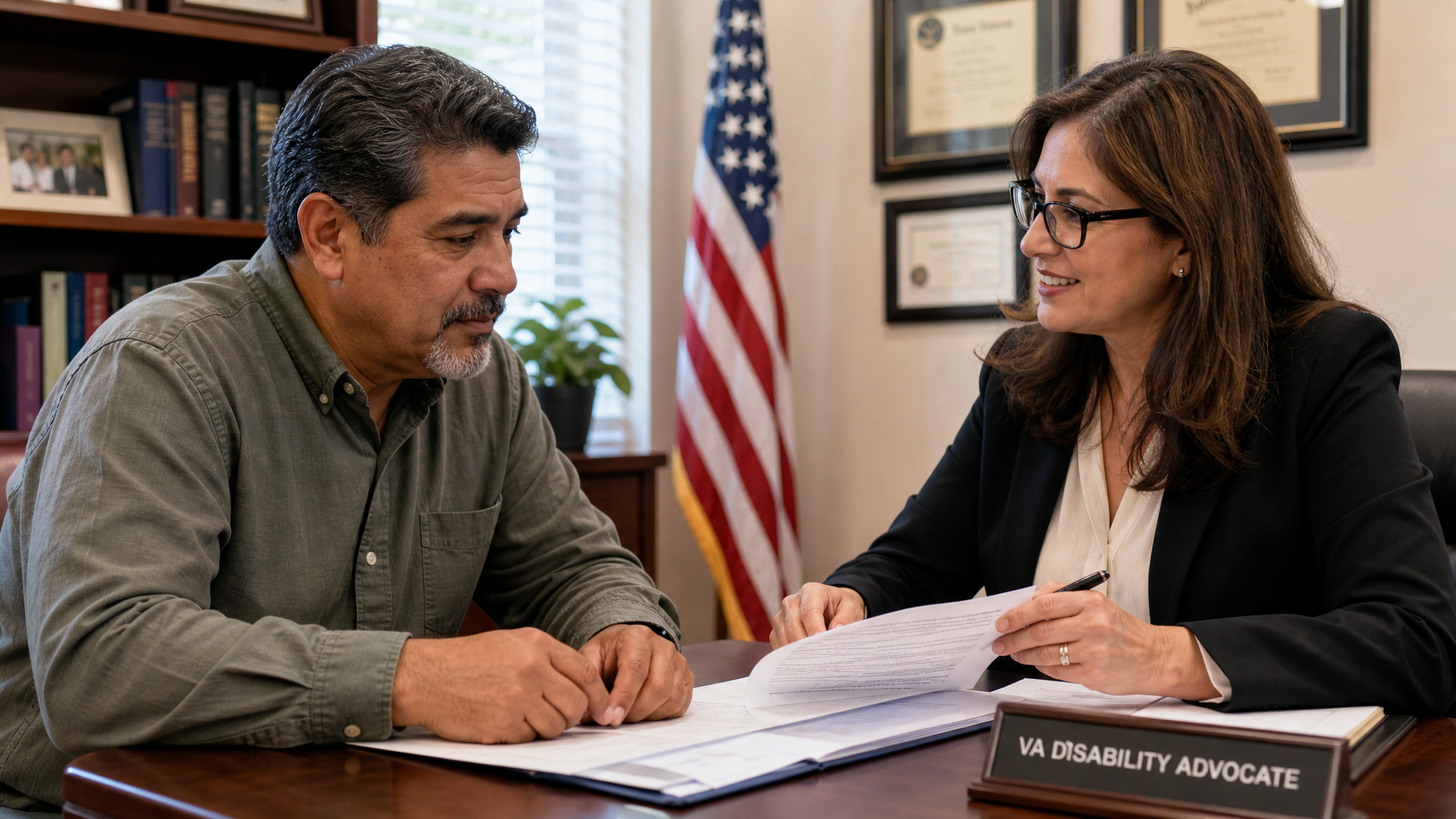
Reading up is smart. Having us in your corner is smarter.
You don’t have to navigate this alone. Ask us anything about your situation for free, or register when you’re ready to have an accredited agent handle your claim.
I read every one of these myself. If you qualify, you’ll hear from me within 48 hours. Or call 702-992-4883.
Want a second set of eyes on your claim?
Albert Thombs is an accredited VA claims agent (#45147). A free review will tell you what evidence your claim is missing and how to strengthen it — before you file.
Call 702-992-4883 · Mon–Fri, 11:00 – 18:00 Pacific