

ILER & TERA — hazards by branch, location and job
2026 Military Exposure Lookup
Your exposure isn’t set by your MOS alone. Tell us your branch, where you were stationed or deployed, and every job you held — including attachments and extra duties — and see the full range of service hazards tied to your actual time in: toxic chemicals, hazardous noise, blast and TBI, and the musculoskeletal wear that comes with the work.
Start here
What a military exposure claim really is

A blank exposure record is not proof you weren’t exposed. It’s a gap to fill — and the reason to build your claim the right way.
What is it?
An exposure claim connects a health condition you have today to something your service exposed you to — and that’s broader than most veterans think. It isn’t only Agent Orange or burn pits. The same service that put you around fuels, solvents and industrial chemicals also put you around hazardous noise, blast overpressure, and the heavy, repetitive physical work that grinds down backs, knees, shoulders and ankles.
The VA connects these one of two ways: a legal presumption for certain places and eras, or a facts-found case built from your own exposure record when no presumption applies. Which pathway fits your situation decides how hard the claim is to win — and that distinction runs through everything below.
Does this apply to you? A 30-second check
Run down this list. If even one line sounds like your service, you have an exposure claim worth looking at — and you shouldn’t leave it sitting there unfiled.
- You served near burn pits, in Vietnam or the Gulf, or on a base later found to be contaminated (like Camp Lejeune). A presumption may already cover you.
- Your job put you around jet fuel, solvents, asbestos, welding fumes, firefighting foam (AFFF) or heavy metals — even if the MOS title sounds harmless on paper.
- You live with tinnitus, hearing loss, or worn-down joints from years of noise, blast and heavy lifting — the most common conditions veterans write off and never file.
- You already got a denial that said “no record of exposure” or “not related to service.” That is often a blank ILER talking — not the truth about what you were around.
Overlooked money
The claims veterans never file
Exposure claims are some of the most winnable in the entire VA system — and some of the most under-filed. Here is why so much of this compensation gets left behind.
Tinnitus and hearing loss sit at or near the very top of the list of most-claimed VA conditions, and they trace directly to the noise and blast almost every service member lived around. Yet veterans routinely dismiss them as “just part of the job” and never file. On the toxic side, once a condition is on a presumptive list it connects almost automatically — but only if you actually file it. Thousands of eligible veterans never do, because they assume they would have to prove exactly how they were exposed.
The facts-found claims fail for a different reason: paperwork. The VA leans on your ILER to decide whether it believes you were exposed, and that record is frequently blank or incomplete. When it is, claims come back stamped “no record of exposure” — not because the exposure didn’t happen, but because no one built the file that proves it. Every one of those gaps is fixable, and every unfiled claim is monthly, tax-free compensation you are simply not collecting.
The first move is knowing which hazards actually touched your service. Start there.
Know what you were around
The exposures hiding in your service record
These are the big exposure families the VA sees most often. Some carry a legal presumption; others you have to establish with records. Either way, the first step is recognizing which ones touched your time in service — then the lookup below maps them to your branch, bases and jobs.

Agent Orange & tactical herbicides
Mostly presumptiveTactical herbicides used to clear jungle in Vietnam — and stored, tested and sprayed well beyond it. For covered locations and dates, a long list of cancers and chronic illnesses is presumptive.
Burn pits & airborne hazards
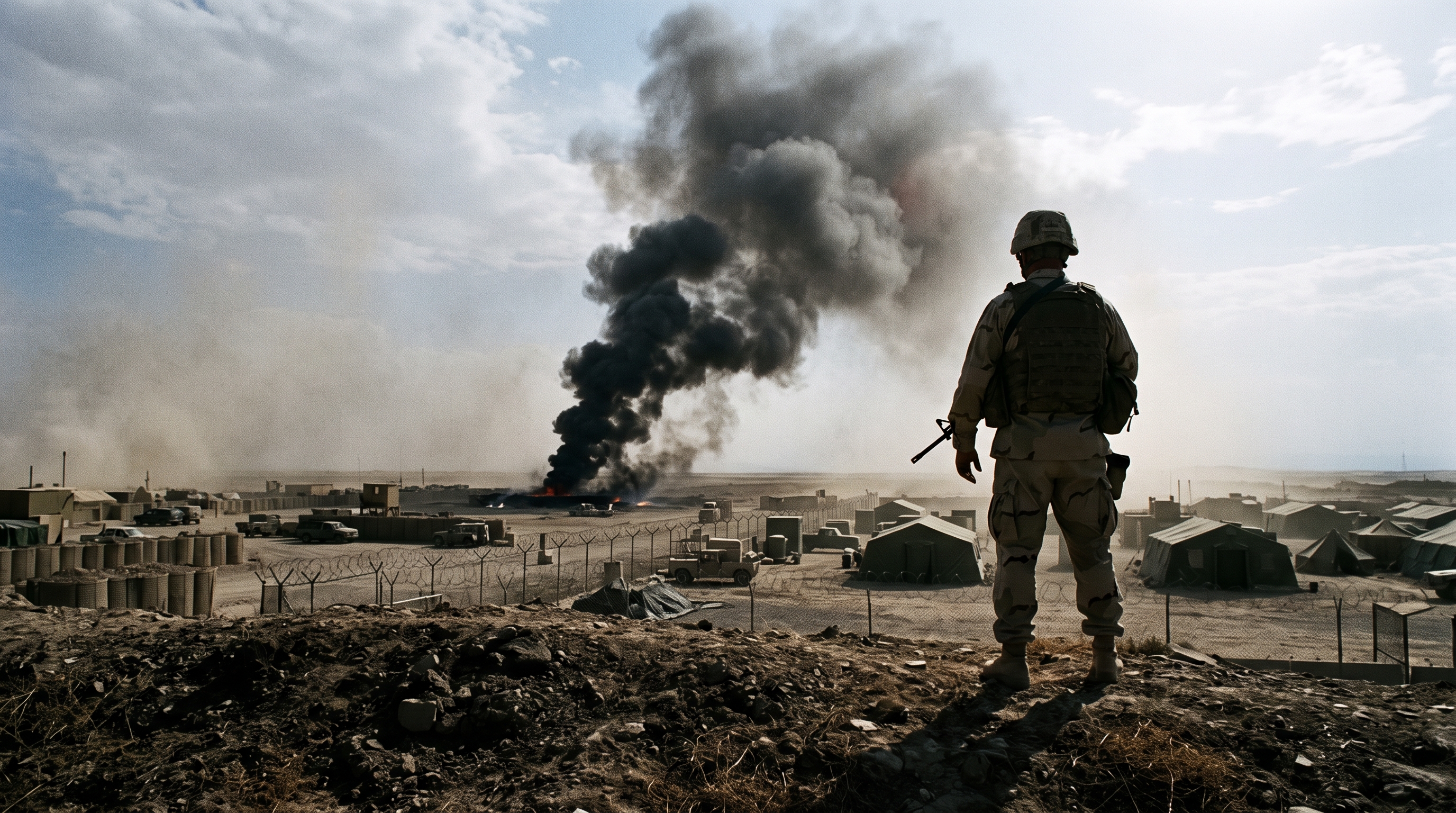
PACT Act presumptiveOpen-air burn pits, sand, dust and diesel fumes across the Gulf War and post-9/11 wars. The PACT Act made many respiratory conditions and cancers presumptive for the veterans who served there.

Contaminated bases & water
Presumptive & facts-foundHazards from home station, not just downrange — like the contaminated drinking water at Camp Lejeune or the toxic soil and PCBs at Fort McClellan. Some carry a presumption; others are facts-found.
Noise, blast & physical wear
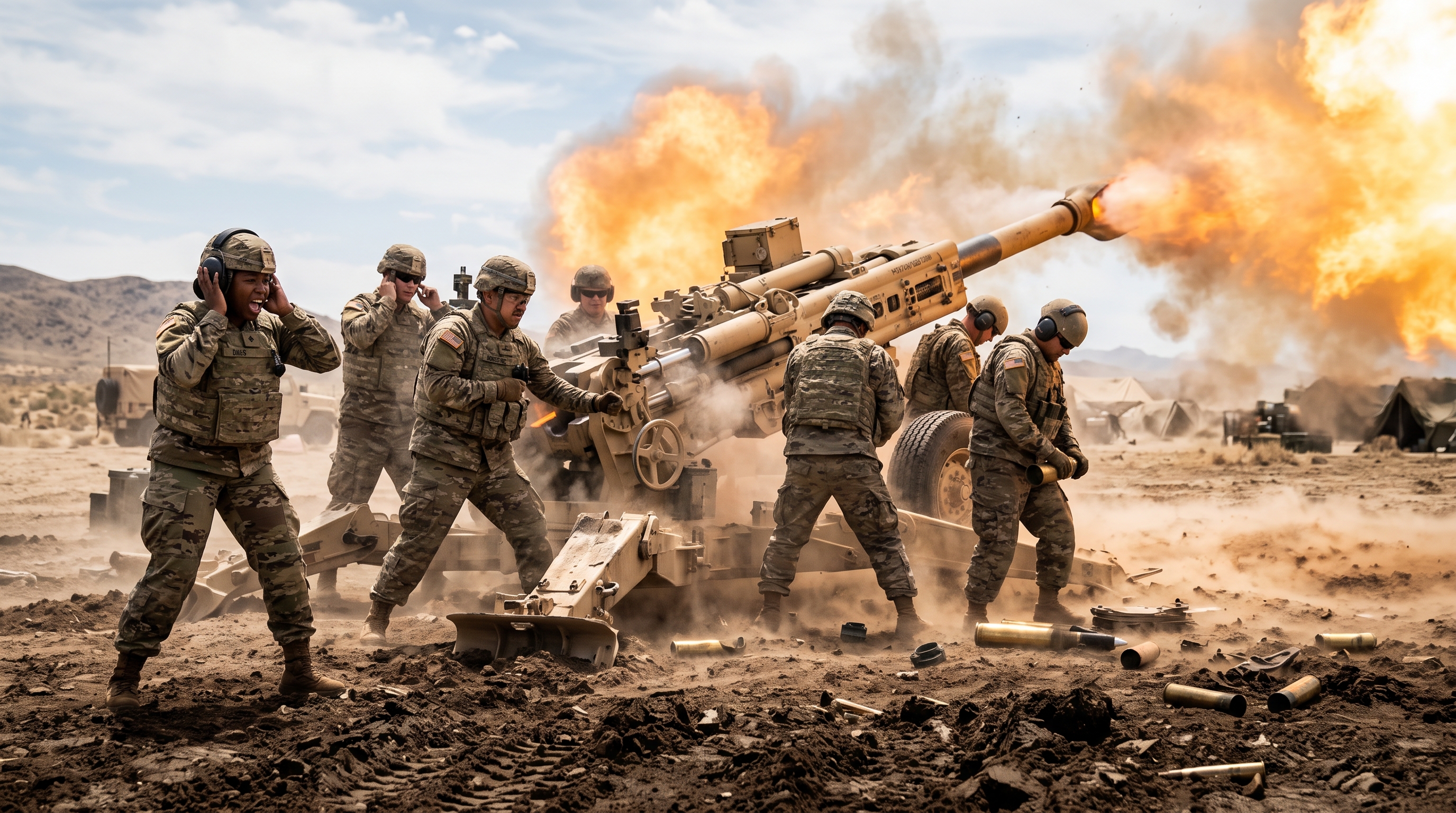
Facts-found, but everywhereThe everyday hazards — engine and weapons noise, blast overpressure, and the heavy lifting that grinds down joints. Tinnitus, hearing loss and musculoskeletal conditions are among the most claimed of all.
Your hazards aren’t decided by your job title alone. They come from where your unit went, the bases you were stationed at, and every job you actually performed — not just your primary MOS. An infantryman pulled onto staff duty still carries field exposure; a clerk attached to an EOD team shares that team’s hazards; anyone on the flightline is around jet fuel no matter their MOS. And it isn’t only chemicals — hazardous noise (tinnitus and hearing loss), blast & TBI, and the physical toll of demanding duty count too. Check everything that applies.
1. Which branch did you serve in? (optional)
Used to narrow the job-code search below and show the right example codes — it doesn't change your results.
2. Where were you stationed or deployed?
Check every location that fits — deployments and home-station assignments. Even a stateside base can be a recognized contaminated site.
Deployments & eras
Bases with recognized contamination
3. What job(s) did you hold?
Pick every role you worked — primary MOS, secondary duties, and anything you were attached to. Many veterans did far more than their paperwork shows.
Look up your exact job code
Type your MOS, rate, or AFSC — or the job name — and we’ll check the matching hazard categories for you. Try 11B, 68W, MMN, or welder.
Your hazard profile
Select your branch (optional)
Start checking the places you served and the jobs you held. As you go, we’ll build a picture of the hazards tied to your service — toxic exposures, noise, blast, and physical strain — and the conditions they can support.
Free & no obligation — our accredited agent and disability advocates pull your ILER, build the TERA memo, and document the hazards the VA won’t connect on its own.
The two pathways
Presumptive vs. facts-found, side by side
Every exposure claim runs down one of these two tracks. Knowing which one your condition is on tells you exactly what to prove — and where claims like yours usually break down.
| PresumptiveThe law connects the exposure for you | Facts-foundYou build the exposure from records | |
|---|---|---|
| What you have to prove | That you were in a covered place during covered dates, and have a diagnosis on the list | That your job, unit or base actually exposed you to the hazard |
| Who decides exposure happened | The law presumes it for you — automatic | You must establish it through your ILER and a TERA memo |
| Evidence burden | Lower — presence plus a listed diagnosis | Higher — ILER, TERA memo, service records and a medical nexus |
| Typical examples | Agent Orange in Vietnam, burn pits (PACT Act), radiation from nuclear testing, Camp Lejeune water | Solvents and fuels, asbestos, welding fumes, PFAS/AFFF, depleted uranium, Fort McClellan PCBs |
| Most common reason it is denied | Wrong dates or location on file, or a diagnosis not on the presumptive list | A blank or incomplete ILER — the VA says “no record of exposure” |
| What tips it in your favor | Getting your service dates and locations confirmed and corrected | A complete ILER, a TERA memo, and a doctor’s nexus letter |
Many veterans have both kinds at once — a presumptive cancer and facts-found hearing loss, for example. File each condition on the track that fits it; don’t force a presumptive claim through the harder facts-found process, and don’t let a facts-found claim die for lack of a nexus.
How to take action
One record decides most of these claims
For facts-found exposures, the VA rarely argues about whether the hazard is real — it argues about whether your file proves you were around it. That file is the ILER, backed by a TERA memo and a medical nexus. Here is how to build it, step by step.
Map every place and every job
List every base and deployment, and every job you actually did — including attachments, borrowed duties and TDY details. A clerk who ran with an EOD team shares that team’s noise and blast; anyone on the flight line breathed jet fuel. Your primary MOS is only the starting point.
Pull your ILER
Request your Individual Longitudinal Exposure Record — the VA’s own file of what it believes you were exposed to. It is frequently blank or incomplete. A gap in the ILER is not proof you were not exposed; treat it as the starting point, not the verdict.
Get a TERA memo where it applies
For facts-found exposures, a Toxic Exposure Risk Activity (TERA) memo is the document that ties your unit, job and location to a recognized hazard. It is often what turns a “plausible” exposure into an established one the VA has to accept.
Line up records and a medical nexus
Gather your DD214, deployment orders, service treatment records and buddy statements, then get a doctor’s opinion connecting today’s diagnosis to that exposure. Facts-found claims live or die on the nexus — presumptive claims usually do not need one.
Match each condition to the right pathway
If you were in a covered place and date with a listed condition, file it as presumptive and do not over-prove it. Everything else goes the facts-found route with the evidence above. Filing a presumptive claim the hard way only slows it down.
Never accept “no record of exposure” as final
That one sentence denies thousands of valid claims every year. A blank ILER, a missing TERA memo or a thin nexus can all be fixed — and a denial you do not challenge is monthly compensation you simply walk away from.
Where to start the paperwork
VA benefits & claims
General questions, claim status, and how to request your exposure records.
800-827-1000VA health eligibility
Toxic-exposure screenings and enrolling in VA health care under the PACT Act.
877-424-3838You can request your ILER through the VA, and an accredited agent or VSO can pull it and read it with you. Official exposure and PACT Act pages are linked in the resources below.

Don’t let a blank ILER end your claim
This is exactly where good exposure claims die — a veteran gets “no record of exposure,” assumes that’s the final word, and walks away. We pull your ILER, build the TERA memo, line up the service records and the medical nexus, and file each condition on the pathway that actually fits it. If you were exposed, we make the record prove it.
See all VA & crisis phone numbersAbout this benefit
A military exposure claim links a current health condition to a hazard from your service. The VA connects it one of two ways: a presumption for certain covered locations and eras, or a facts-found case built from your exposure record when no presumption applies.
This lookup screens both pathways at once. It reads the places you served and the jobs you held — including attachments and secondary duties — and flags the toxic, noise, blast and physical hazards tied to that service, along with the conditions each one is associated with.
How to use it
- 1Check every place you served — deployments and home-station bases alike, including any base later found to be contaminated.
- 2Check every job you held, not just your primary MOS — secondary duties and attachments count.
- 3Review the exposures we flag, split into VA-presumed and facts-found, with the conditions tied to each.
- 4Get a free review so our agents can pull your ILER, build the TERA memo, and document the facts-found exposures for you.
What it covers
- Occupational exposures by job — solvents and fuels, asbestos, lead, hexavalent chromium, welding fumes, AFFF/PFAS, and more
- Hazardous noise tied to your job — the leading cause of tinnitus and hearing loss claims
- Blast overpressure and TBI, plus the musculoskeletal wear (back, knees, shoulders, ankles) that heavy duty causes
- Deployment and era exposures — Agent Orange, burn pits, Gulf War hazards, and radiation
- Contaminated installations such as Camp Lejeune and Fort McClellan
- How presumptive vs. facts-found pathways work, and why the ILER and TERA memo decide these claims
Work with our accredited agent and disability advocates
Ready to turn this estimate into a claim? Let a specialist handle it.
Calculators are a starting point. Both options below are free. Have questions? Get a free case evaluation — no paperwork, nothing to sign. Ready to hire us? Register with us: it’s free to register, and involves signing VA Form 21-22a so we can act on your claim.
This lookup is an educational screening tool, not an official eligibility decision or a copy of your ILER. Exposure and hazard lists, presumptive locations, and covered dates are set by the VA and change over time. Confirm your situation at VA.gov. We pull ILERs and review exposure histories every day. Talk to us before you file. VA Benefits Calculators is not affiliated with the VA — the VA makes all final decisions about eligibility and payment amounts. Always confirm details at va.gov.